
English| EUR
Suggested for you
More currencies
Choose a language
Most visitors picture the dunes as a vague stretch of sand somewhere beyond the skyline. In practice the protected heart of it has a street address, a gate, a phone number and a fixed daily window. This guide fixes the geography before you book anything.
Quick answer
The desert safari dubai location most guides refer to is the Dubai Desert Conservation Reserve, on Dubai–Al Ain Road, Dubai, United Arab Emirates. The Visitor Centre runs 09:00–17:00 Monday to Saturday and opens earlier, at 07:00, on Sunday. General admission is 35 AED per person. The one caveat: the reserve is protected land, so access routes and operator permits matter more than distance.
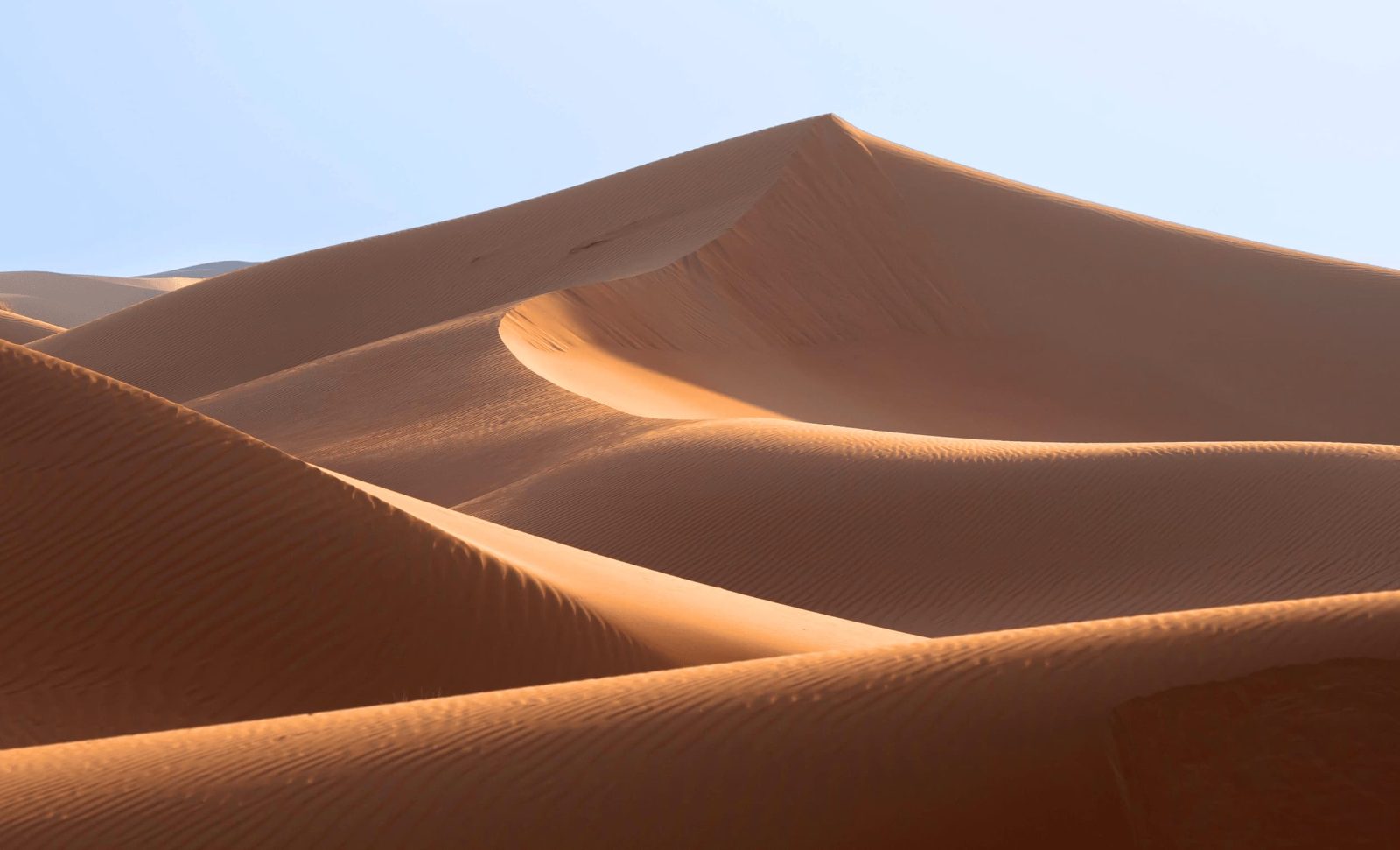
The sand that appears in nearly every Dubai dune photograph is not open wilderness. It is managed conservation land — the Dubai Desert Conservation Reserve, a fenced and permit-controlled tract that covers roughly a twentieth of the emirate's total area. That single fact reshapes how the desert safari dubai location should be understood: this is a reserve with a gate, not a free-for-all stretch of shoulder off the highway. The reserve sits inland along Dubai–Al Ain Road, southeast of the city, in the transition zone where the coastal plain gives way to the red sands of the Al Marmoom and Margham dune belts. Within the boundary, the landscape is Arabian Peninsula desert in its textbook form: crescent barchan dunes, ghaf trees anchoring the hollows, Arabian oryx and sand gazelle grazing at dawn, spiny-tailed lizards and desert hare in the scrub. The Visitor Centre functions as the orientation point and the place where the 35 AED general admission is settled. A Dubai desert tour operating inside the reserve must hold a concession; the operators working outside it use the neighbouring Lahbab and Margham sands, which look similar but sit under different rules. That distinction is the practical takeaway. When a listing says "dunes near Dubai," it may mean the conservation reserve or it may mean adjacent desert terrain forty minutes further out. Both are legitimate; they are not interchangeable. Checking which sand a Dubai dune excursion actually uses tells you the drive length, whether wildlife viewing is realistic, and whether the Visitor Centre figures in the itinerary at all. Reserve access also carries conduct rules — vehicles stay on designated tracks, off-piste driving is restricted, and the protected-area status is enforced. Questions about permits, closures or seasonal access go to the reserve directly on +971 4 880 2337, or to ddcr.org, which publishes the authoritative notices. Beyond that, the dedicated sections on this page carry the detail: the full weekly schedule, the route in, the recommended arrival window, the admission figures and the kit worth packing. Read the geography first, then pick the sand. A desert safari dubai location guide is only useful once you know which desert you have booked, and the answer is rarely the one the photograph implies.
“This is a reserve with a gate, not a free-for-all stretch of shoulder off the highway.”
The Dubai Desert Conservation Reserve is located along the Dubai–Al Ain Road (E66). Access is primarily managed via private vehicle or pre-arranged transportation services.
Dubai–Al Ain Road (E66) south from Dubai city center
Direct service from Dubai city center to the Visitor Centre
GPS navigation is recommended for the drive along the Dubai–Al Ain Road, as the reserve entrance is clearly marked. Coordinate your transport in advance to ensure seamless access to the Visitor Centre.
The best arrival window for visiting the Dubai Desert Conservation Reserve is 07:00–10:00. This timeframe effectively avoids peak midday heat and provides the most favorable conditions for observing local desert wildlife.
Mild temperatures, 20°C to 28°C
These months offer the most comfortable weather for outdoor activities and extended exploration.
Warmer, 30°C to 38°C
Early morning visits are essential during these transition months to stay ahead of the rising sun.
Extreme heat, 40°C and above
High temperatures restrict activities to early morning hours; hydration and sun protection are necessary.
Verdict: The best time to reach the desert is between 07:00 and 10:00 during the cooler months of November through March.
The Dubai Desert Conservation Reserve visitor center maintains a consistent weekly schedule to accommodate guests. Please review these operational hours when planning your visit to the desert safari location.
Prepare for your desert safari by confirming your booking and packing essentials suited to the environment.
Everything you need to know about desert safari dubai location
The Dubai Desert Conservation Reserve is situated on the Dubai–Al Ain Road in the United Arab Emirates. This protected area serves as the primary gateway for those exploring the local landscape.
The visitor center remains open seven days a week to accommodate guests. You can plan your visit between 09:00 and 17:00 on most days, with an earlier opening time of 07:00 on Sundays.
The general admission fee for the visitor center is 35 AED per person. This fee supports the maintenance of the reserve and its ongoing wildlife conservation efforts.
Arriving during the best arrival window of 07:00–10:00 is highly recommended. This period helps visitors avoid the peak midday heat while providing optimal lighting for spotting indigenous fauna.
While you can find information on the official site at https://www.ddcr.org, our site provides tools to help you compare various excursion options. We focus on connecting you with authorized tour operators who prioritize environmental sustainability.
Yes, the reserve welcomes families, though the desert terrain requires careful preparation. Guests should ensure they have adequate sun protection and water when exploring the sandy expanse.
The reserve is located on the Dubai–Al Ain Road, which is accessible by private vehicle or organized transport. Visitors are encouraged to check their navigation routes in advance to ensure a smooth arrival at the gated entrance.